
Overview of Schedule O
Schedule O, attached to Form 1120, captures consent plans and apportionment for controlled groups. It requires detailed reporting of parent‑sub‑company relationships, plan approvals, and allocation methods. Accurate completion ensures compliance with IRS rules on group taxation. 2026. Updated

Purpose and Scope of Schedule O
Schedule O is a mandatory attachment to Form 1120 for corporations that are part of a parent‑sub‑sidiary controlled group. Its primary purpose is to document the existence of a consent plan that governs the allocation of income, deductions, and credits among the group members, and to provide the IRS with a clear apportionment schedule that reflects each member’s share of the group’s taxable items. By requiring this information, the IRS can verify that the group’s tax positions are consistent with the statutory rules that treat the group as a single taxpayer for many purposes, while still allowing each member to report its own portion on its individual return.
Scope-wise, Schedule O applies only to corporations that meet the controlled‑group definition, meaning a parent company that owns at least 80 % of the voting power of a subsidiary, or a subsidiary that is owned at least 80 % by a parent. The schedule must be filed for each tax year in which the corporation is a member of such a group and has a consent plan in place. It does not apply to corporations that are not part of a controlled group or that do not have a consent plan, even if they file Form 1120. The schedule also excludes certain items that are specifically disallowed, such as Section 179 deductions, which must be reported elsewhere on the return.
In addition to the consent plan details, Schedule O requires the corporation to list all group members, provide the percentage of ownership, and calculate the apportionment of income and deductions using the method approved by the group. The schedule must be signed by an officer of the corporation and retained for five years. Failure to file Schedule O when required can result in penalties and loss of group tax benefits, so accurate completion is essential for compliance and audit readiness.
To complete Schedule O, the corporation must first determine whether a consent plan exists and whether it has been approved by the appropriate group members. The plan must be documented in a written agreement that specifies the allocation percentages and the method of calculation. Once the plan is in place, the corporation must calculate its share of the group’s income, deductions, and credits for the tax year, using the percentages outlined in the consent plan. These calculations are entered on the schedule, and the resulting figures are then carried over to the corporation’s Form 1120. The schedule must also include a statement of compliance with the Internal Revenue Code sections governing controlled groups, and it must be signed by an authorized officer. The IRS requires that the schedule be filed with the original Form 1120, not electronically, and that it be retained for at least five years after the filing date. Corporations that fail to file Schedule O when required may face penalties of up to $200 per missing schedule, and the group may lose the ability to claim certain deductions or credits that are otherwise available to controlled groups.

Eligibility and Conditions for Filing Schedule O
Corporations in a parent‑sub controlled group with an approved consent plan must file Schedule O when the group exists now. Filing is mandate; penalties apply if omitted. The form attaches to Form 1120 and requires an officer’s signature.
Corporations Subject to Schedule O
Schedule O applies to any corporation that is part of a parent‑sub controlled group and has an approved consent plan. The IRS requires the form when the group exists at the time of filing, regardless of whether the plan was adopted in a prior year. Corporations must also have a written consent plan that meets the statutory criteria, including a clear definition of the plan’s purpose, the parties involved, and the method of distribution. The plan must be approved by the board of directors and recorded in the minutes. In addition, the corporation must file the plan on Schedule O if it has a parent or subsidiary that is a U.S. corporation, a foreign corporation, or a partnership that is treated as a corporation for tax purposes. The form is not required for single‑member LLCs that are taxed as sole proprietorships or for corporations that are not part of a controlled group. The IRS also requires that the corporation provide a copy of the consent plan to the Secretary of the Treasury and to any other parties that are required to receive it under the plan’s terms. Failure to file Schedule O when required can result in penalties and loss of group tax benefits. The form must be signed by an officer of the corporation and must be attached to the Form 1120 return. The deadline for filing is the same as the corporate return, typically the 15th day of the fourth month after the close of the tax year. Corporations should review the IRS instructions for any updates or changes to the filing requirements
Timing and Reporting Requirements
Schedule O must be filed with the corporation’s annual Form 1120 by the due date, which is the 15th day of the fourth month following the close of the tax year, unless an extension has been granted. The consent plan and apportionment schedule must be completed before the return is submitted, and any changes to the plan during the year must be reflected in the current return. If the corporation files for an automatic extension, the schedule remains due on the extended deadline, typically the 15th day of the eighth month. The IRS requires that the plan be attached to the return in its original form; electronic filing is not permitted for Schedule O as of 2026, so paper copies must be mailed to the appropriate IRS center. Corporations must retain a copy of the signed consent plan and supporting documentation for at least seven years, in case the IRS requests verification. Failure to file the schedule on time can trigger a penalty of $25 per day, up to a maximum of $5,000, and may jeopardize the group’s eligibility for certain tax benefits. The IRS also mandates that any amendments to the consent plan be reported on a revised Schedule O and filed with an amended return (Form 1120X) if the changes affect the group’s tax attributes. Timely reporting ensures that the group’s apportionment calculations are accurate and that all members receive the correct allocation of income, deductions, and credits for the year. All deadlines strict .

Consent Plan Requirements
Schedule O requires a written consent plan approved by all group members. The plan must detail the allocation method, percentages, and effective dates. It must be signed, dated, and attached to the Form 1120. Failure to comply triggers penalties. and audit test.

Consent Plan Eligibility Criteria
To qualify for reporting on Schedule O, a consent plan must meet several IRS‑specified conditions. First, the plan must be a written agreement among all members of the controlled group, including the parent and each subsidiary, that governs the allocation of income, deductions, and credits. Second, the plan must be approved by every member’s board or governing body in accordance with the group’s internal bylaws. Third, the plan must specify the allocation percentages or formulas for each member, and the percentages must sum to 100 % of the group’s taxable items; Fourth, the plan must be in effect for the entire tax year being reported, and any changes must be documented with signed amendments. Fifth, the plan must be filed with the group’s tax return and attached to Schedule O, and the IRS requires that a copy be retained for at least seven years. Finally, the plan must not conflict with any other federal tax provisions, such as the Section 179 deduction rules, and must be consistent with the group’s overall tax strategy. Compliance with these criteria ensures that the consent plan is enforceable and that the apportionments reported on Schedule O are accepted by the IRS. Failure to meet any of these requirements can result in penalties, audit adjustments, or denial of the group’s consolidated filing status. Therefore, careful drafting, approval, and documentation are essential for a valid consent plan under Schedule O. The plan must also be reviewed annually to ensure compliance with tax lawsincluding internal governance requirements. for all members!US

Approval Process and Documentation
The IRS requires that every consent plan reported on Schedule O be formally approved by the governing bodies of all group members. The approval process typically begins with a draft plan circulated to each corporation’s board of directors or equivalent authority. Minutes of the meeting in which the plan is adopted must be recorded, signed, and dated. The minutes should include the plan’s purpose, the allocation methodology, and the specific percentages assigned to each member. Once the plan is approved, a written amendment must be prepared if any changes occur during the year; this amendment must also be signed by the same authorities and attached to the tax return. In addition to board minutes, the group must retain a copy of the original consent plan document, any amendments, and a summary of the allocation calculations. The IRS recommends keeping these documents for at least seven years, as they may be requested during an audit. For consolidated returns, the parent corporation must file the consent plan on its Form 1120 and attach Schedule O. Each subsidiary must also attach a copy of the plan or a reference to the parent’s filing. The plan’s approval must be evidenced by a certified copy of the board minutes and a signed statement from the chief financial officer or equivalent officer confirming the plan’s validity. Failure to provide complete documentation can result in the IRS rejecting the plan and imposing penalties. Therefore, meticulous record‑keeping and clear signatures are essential for compliance with Schedule O requirements. The approval process is governed by IRS instructions and must be followed exactly to avoid audit complications. All parties must keep a copy of the plan and its amendments for seven years to satisfy IRS audit requirements and. Keep records for audit and compliance now.

Apportionment Schedule Details
Apportionment on Schedule O uses a two‑step method: compute each member’s share of the group’s now gross income, then adjust by ownership percentage. Report the final amount on line 3. All figures are rounded to the nearest dollar and signed by the CFO now.
Apportionment Methodology and Calculations
To compute the apportionment for a controlled group, the corporation first determines the total group income subject to apportionment. This includes all income reported on the group’s consolidated return, excluding exempt amounts under IRS guidance for Schedule O. The corporation then calculates each member’s share by multiplying the group income by the member’s ownership percentage, derived from the member’s interest in the parent company. The calculation must also account for any inter‑company transactions that may affect the effective ownership percentage, ensuring that the apportionment reflects the true economic relationship between the entities. After obtaining the preliminary share, the corporation applies required adjustments for depreciation, amortization, or other tax attributes that differ among members. The final apportionment amount is the sum of the adjusted shares, rounded to the nearest dollar, and reported on line 3 of Schedule O. Copies of the consolidated return, member returns, and ownership correspondence should be retained for at least three years. Failure to report accurately can result in penalties, interest, and adjustments to the group’s taxable income. For detailed instructions, refer to the IRS Publication 538 and the latest Schedule O instructions published in the 2026 tax year. Always verify current filing requirements, as the IRS periodically updates the methodology for controlled groups and consent plans. The apportionment must be reconciled with the group’s consolidated return to ensure consistency. The corporation should also consider consulting a tax professional to ensure compliance with the latest regulations and optimize the group’s tax position!!!!!!!!!!!

Controlled Group Definitions and Guidelines
Schedule O defines a controlled group as a parent owning 80% or more of voting power value. The group files a consent plan and apportions income per IRS rules. Documentation must show ownership percentages and compliance. Failure triggers penalties.
Parent and Subsidiary Controlled Group Criteria
Schedule O defines a controlled group when a parent owns at least 80 % of the voting power and value of a subsidiary’s stock, or when the parent and related parties together meet that threshold. The ownership must be continuous for the entire tax year; a temporary dip below 80 % triggers a re‑identification and requires a new consent plan and apportionment schedule. The parent must also exercise control over the subsidiary’s operating decisions, such as management, budgeting, and strategic direction, even if it does not hold a majority of voting stock. Control is demonstrated through direct influence or inter‑company agreements that must be documented and attached to the return.
Both entities must be U.S. corporations filing Form 1120, or foreign entities treated as U.S. corporations for tax purposes. The group is identified on the return’s first page, line 30, and the consent plan must be signed by the parent’s officers. The plan must specify the method for apportioning income, deductions, and credits among group members and must receive IRS approval before filing. Failure to meet these criteria can result in denial of the consent plan and the need to file each entity separately, raising compliance costs.
Impact on Schedule O Reporting
When a corporation files Schedule O, the consent plan and apportionment schedule become integral to the overall Form 1120. The IRS requires that the parent’s ownership percentage, the method of income allocation, and the effective date of the consent plan be reported in full. Failure to include the consent plan’s signature block or to attach the supporting documentation can lead to a disallowance of the group’s consolidated return. Additionally, the apportionment schedule must detail each member’s share of taxable income, deductions, and credits, and must be reconciled with the group’s financial statements. If the group’s ownership structure changes during the year, the schedule must be updated to reflect the new percentages, and the IRS will recalculate the apportionment. Any discrepancy between the reported percentages and the actual ownership can trigger an audit. The schedule also affects the calculation of the group’s taxable income because the parent’s share of the subsidiary’s losses is limited by the “at‑risk” and “basis” rules. Finally, the schedule’s data is used to determine whether the group qualifies for the “controlled group” exception to the separate filing requirement; if the criteria are not met, each entity must file its own return, increasing compliance costs and potentially altering the tax liability for each member. The schedule’s data also feeds into the group’s consolidated tax computation, influencing the allocation of credits such as the foreign tax credit and the research credit. The IRS scrutinizes the apportionment for consistency with the group’s financial statements, and any misalignment may result in adjustments. Corporations should maintain detailed records of the consent plan’s approval process, including minutes of board meetings, to substantiate the plan’s validity during an audit. Additionally, many corporations rely on specialized tax software to generate Schedule O automatically, ensuring compliance with the latest IRS guidance. The software cross‑checks ownership percentages, calculates apportionments, and verifies that the consent plan meets all statutory requirements. If any errors are detected, the software flags them for correction before submission. To avoid penalties, corporations should review the consent plan annually, update ownership data promptly, and retain all supporting documentation for at least seven years, as required by IRS record‑keeping rules.!!

Filing Procedures and Resources
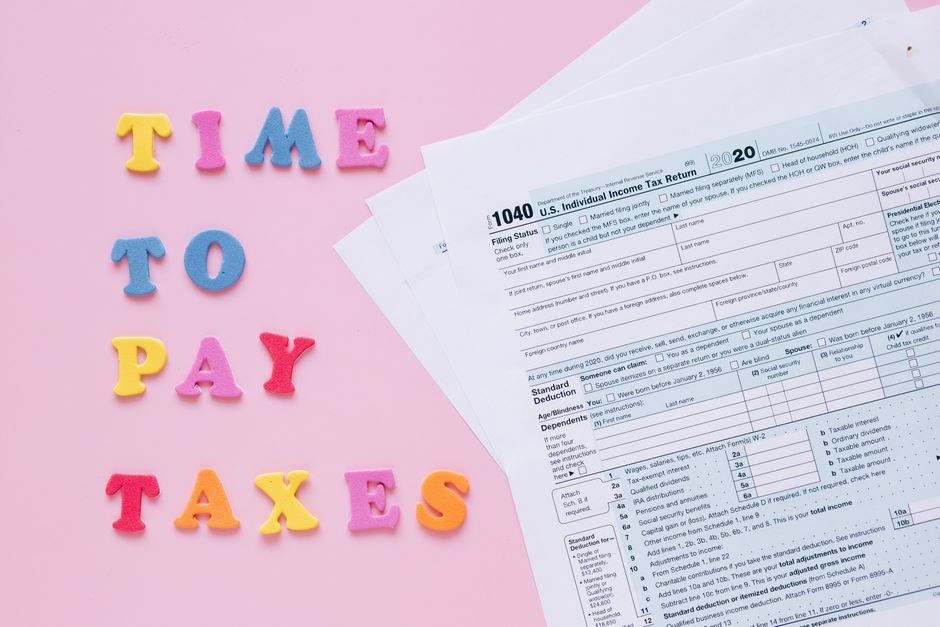
Schedule O must be mailed to the IRS office listed in the 1120 instructions; electronic filing is not yet available. Attach the consent plan, apportionment schedule, and supporting documents. Use IRS Publication 501 for guidance and the IRS website for forms. Check deadline and keep audit copies.
Submission Method and Restrictions
Schedule O is not available for e‑filing; the completed form must be mailed to the IRS office specified in the Form 1120 instructions. The mailing address varies by the taxpayer’s state of incorporation and the type of return (e.g., 1120, 1120‑S, 1120‑C). Attach the consent plan and apportionment schedule, along with any supporting documentation required by the instructions. The IRS requires that the schedule be signed and dated by an authorized officer of the corporation. If the corporation is part of a controlled group, the consent plan must be approved by the parent company and the group’s consent plan approval letter must be included. The schedule must be filed by the due date of the return, including extensions. Late filing may result in penalties and may affect the group’s eligibility for certain tax attributes. Corporations should keep copies of the submitted schedule and supporting documents for at least three years, as the IRS may request them during an audit. For the most current mailing address and any changes to filing procedures, consult the latest IRS Form 1120 instructions or the IRS website. Failure to comply with the submission method or to include all required attachments can lead to the IRS rejecting the return or requiring a corrected filing. Always verify that the form is complete before mailing to avoid delays in processing and potential tax consequences. Keep accurate records to support group activity changes during the tax year now period.etcseeIRS