
O Come, O Come Emmanuel Sheet Music PDF: A Comprehensive Guide
Discover readily available free sheet music in PDF or MIDI format for “O Come, O Come Emmanuel,” a beloved Christmas carol․ Resources like org offer access to this timeless hymn․
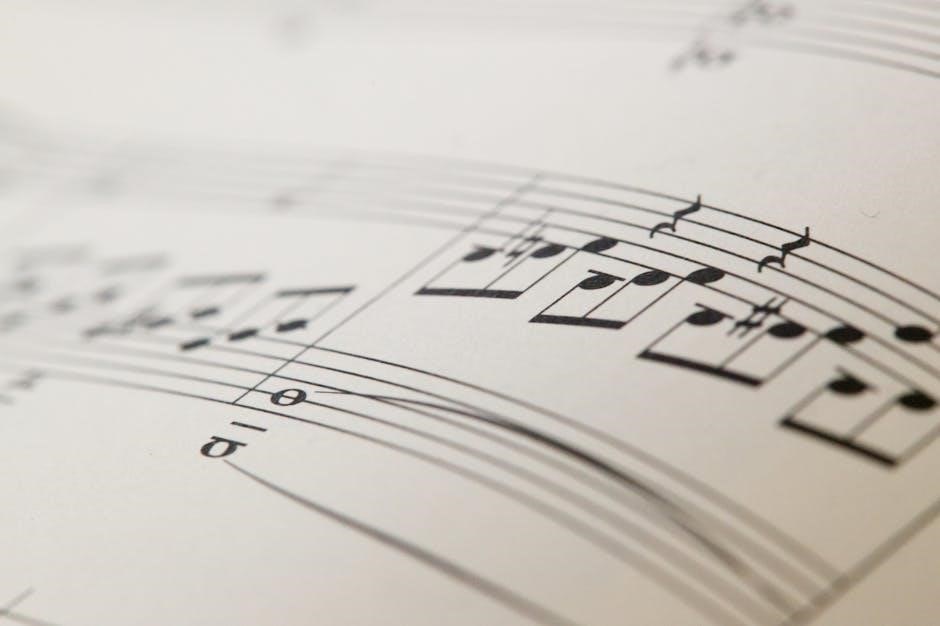
This carol’s origins trace back to a 9th-century Latin hymn, with a 15th-century French processional melody, now widely accessible online for musical enjoyment․
Historical Origins of the Hymn
“O Come, O Come Emmanuel” boasts a rich and ancient history, deeply rooted in the Advent season’s anticipation of the Messiah; The hymn’s lyrics originate from the O Antiphons, a series of seven prayers recited during the final days before Christmas, dating back to the 9th century․ These antiphons, expressed in Latin, each address Christ with a different title drawn from Old Testament prophecies․
The original Latin hymn, “Veni, Veni, Emmanuel,” wasn’t initially intended as a standalone carol but as part of a larger liturgical practice․ The melody accompanying these verses emerged later, around the 15th century, originating as a French processional chant․ This melody, characterized by its solemn and evocative tone, perfectly complements the hymn’s yearning and hopeful lyrics․
The hymn’s journey to widespread popularity began with its translation into English by John Mason Neale in the mid-19th century․ Neale, a prominent Anglican hymn writer, skillfully rendered the Latin text into English, preserving its poetic beauty and theological depth․ His translation, coupled with the enduring melody, cemented “O Come, O Come Emmanuel” as a cherished Advent and Christmas hymn, readily available today in numerous sheet music PDF formats․
The Latin Text and its Translation
The original Latin text of “Veni, Veni, Emmanuel” is a series of evocative pleas to Christ, utilizing symbolic titles drawn from Old Testament prophecies․ Each verse focuses on a different aspect of the awaited Messiah, such as “O Wisdom,” “O Lord,” and “O Key of David․” The language is steeped in biblical imagery, reflecting the deep spiritual longing of the Advent season․
John Mason Neale’s 1851 English translation is widely considered a masterful rendition, successfully capturing the poetic nuance and theological weight of the original Latin․ He skillfully balanced literal accuracy with lyrical flow, creating a version that resonated deeply with English-speaking congregations․ His work ensured the hymn’s accessibility and enduring appeal․
Comparing the Latin and English versions reveals Neale’s careful choices in conveying the hymn’s meaning․ While some nuances are inevitably lost in translation, he preserved the core message of hope and anticipation․ Accessing both the Latin text and Neale’s English translation alongside sheet music PDF versions allows for a richer understanding and appreciation of this timeless carol’s profound beauty and historical significance․
Veni Emmanuel: The Original Melody
The melody associated with “O Come, O Come Emmanuel” originates from a 15th-century French processional chant, known as “Veni Emmanuel․” This chant was likely used during Advent processions, enhancing the sense of anticipation for Christ’s arrival․ Its modal character and stepwise melodic motion contribute to its solemn and meditative quality․
The tune’s simplicity belies its emotional depth․ It’s a hauntingly beautiful melody, perfectly suited to the hymn’s yearning lyrics․ Early manuscripts reveal variations in the melody, suggesting a degree of flexibility in its performance․ However, the core melodic contour remained consistent․
When exploring sheet music PDF versions, you’ll find the melody presented in various arrangements, often harmonized for different vocal ranges and instrumental ensembles․ Understanding the original chant’s character provides valuable insight into interpreting these arrangements․ The enduring popularity of this melody demonstrates its timeless appeal and its ability to convey the profound spiritual message of the hymn across centuries․ It’s a cornerstone of Advent musical tradition․
John M․ Neale’s English Translation
John M․ Neale, a 19th-century Anglican priest and hymn translator, is responsible for the widely sung English version of “O Come, O Come Emmanuel․” His translation, completed in 1851, brought the ancient Latin hymn to a broader English-speaking audience․ Neale’s work wasn’t merely a literal rendering of the text; he skillfully captured the hymn’s poetic and theological nuances․

He translated verses 2 and 7 from “The Hymnal 1940,” adapting them to fit the existing melody․ Neale’s lyrical phrasing and evocative language contribute significantly to the hymn’s emotional impact․ When examining sheet music PDF versions, you’ll encounter his English lyrics paired with the traditional “Veni Emmanuel” melody․
His translation maintains the hymn’s Advent theme of hopeful anticipation, reflecting the longing for the Messiah’s coming․ Neale’s contribution ensured the hymn’s lasting legacy, making it a staple of Christmas and Advent services․ His work exemplifies the art of hymn translation, bridging cultural and linguistic gaps to share a timeless message of faith and hope․
Public Domain Status and Usage Rights
“O Come, O Come Emmanuel” exists firmly within the public domain, meaning it’s free from copyright restrictions; This status applies to both the lyrics – originating from a 9th-century Latin hymn – and the 15th-century French processional melody․ Consequently, accessing and utilizing sheet music PDF versions is unrestricted for personal and communal use․
Individuals and organizations can freely download, print, distribute, and perform the hymn without seeking permission or paying royalties․ However, while the core hymn is public domain, specific arrangements or editions of the sheet music might have their own copyright protections․
If reproducing a particular arrangement, it’s courteous – and sometimes legally required – to credit the arranger․ For congregational worship, the hymn can be used without limitation․ This open access fosters its widespread performance and preservation․ Understanding its public domain status empowers musicians and worship leaders to utilize this beautiful carol without legal concerns, ensuring its continued presence in musical traditions․
Availability of Free Sheet Music Online
Free sheet music for “O Come, O Come Emmanuel” is remarkably accessible online, catering to diverse musical needs․ Numerous websites specialize in providing Christmas carol arrangements in PDF format, readily available for download․ org stands out as a prominent resource, offering both sheet music and MIDI files․
A significant migration of free sheet music is currently underway to RoadToVirtuosity․com, promising an updated and comprehensive collection․ Many websites offer versions suitable for piano, organ, choir, and other instruments, accommodating various skill levels․
Searching online using keywords like “O Come, O Come Emmanuel sheet music PDF” yields a wealth of results․ These resources often include different arrangements, vocal ranges, and even historical context․ The Common Service Book (ULCA) 1917 setting is also frequently available․ Users should exercise caution and verify the source when downloading to ensure quality and accuracy of the musical notation․
Popular Websites Offering PDF Downloads
Several websites consistently rank as popular sources for downloading “O Come, O Come Emmanuel” sheet music in PDF format․ org is a frequently cited resource, providing free sheet music alongside MIDI files, catering to a broad range of musical preferences․
RoadToVirtuosity․com is emerging as a key platform, currently undergoing a migration of free sheet music to offer an updated and comprehensive collection․ This site promises a user-friendly experience and a wide selection of arrangements․
Additionally, various online music repositories and forums dedicated to Christmas carols often host user-submitted PDF versions․ While these can be valuable, verifying the accuracy and quality of the transcription is crucial; Websites specializing in public domain music also frequently feature this hymn․ Remember to check licensing and usage rights before reproducing or distributing any downloaded material․ A simple web search using relevant keywords will reveal numerous options for accessing this beloved carol’s sheet music․
Different Arrangements and Vocal Ranges
“O Come, O Come Emmanuel” sheet music is available in a diverse array of arrangements, catering to various skill levels and ensemble types․ You’ll find simplified versions for beginner pianists, alongside more complex arrangements for advanced musicians and organists․
Vocal ranges also vary significantly across different publications․ Some arrangements are scored for SATB choirs (Soprano, Alto, Tenor, Bass), demanding a wider vocal span, while others are tailored for unison or two-part harmonies, making them accessible to smaller groups or less experienced singers․
Instrumental arrangements extend beyond piano and organ, encompassing versions for strings, brass, and even wind ensembles․ When selecting sheet music, consider the specific instrumentation and vocal capabilities of your ensemble․ The original plainsong melody lends itself well to adaptation, resulting in numerous interpretations․ Exploring different arrangements can reveal fresh perspectives on this classic hymn, enhancing its musical impact and appeal․
Sheet Music for Various Instruments (Piano, Organ, Choir)

“O Come, O Come Emmanuel” sheet music is widely available for piano, organ, and choral arrangements, reflecting its enduring popularity․ Piano scores range from simple lead sheets suitable for accompaniment to elaborate arrangements featuring intricate harmonies and embellishments․
Organists can find numerous transcriptions, often utilizing the instrument’s full capabilities with pedal parts and registrations designed to enhance the hymn’s majestic quality․ Choral scores are particularly abundant, commonly presented in SATB voicing, though arrangements for other choral configurations – like SSA or TTBB – also exist․
Many PDF downloads include accompaniment tracks, aiding rehearsals and performances․ Websites specializing in free sheet music often offer simplified piano versions alongside more complex choral editions․ The hymn’s traditional melody translates beautifully across these instruments, allowing for diverse interpretations․ Resources like RoadToVirtuosity․com provide updated scores, while older editions, like those from The Hymnal 1940, offer a historical perspective on the arrangement styles․
Understanding the Musical Notation
“O Come, O Come Emmanuel” sheet music, particularly in traditional arrangements, typically employs standard musical notation․ The melody is presented in a clear and concise manner, often utilizing a plainsong style reminiscent of its origins․ Understanding the notation is key to a faithful performance․
Most PDF versions will feature a treble clef for the melody line, with accompanying harmonies notated on additional staves․ Familiarity with basic rhythmic values – whole notes, half notes, quarter notes – is essential․ The hymn’s tempo is generally moderate, allowing for a reverent and contemplative interpretation․
Pay attention to any dynamic markings (p for piano, f for forte) which indicate the desired volume․ The sheet music often includes phrasing slurs to guide the melodic line․ Recognizing the key signature and time signature is crucial; commonly, the hymn appears in a minor key, reflecting its penitential tone․ Resources offering free sheet music may vary in notation clarity, so comparing multiple sources can be beneficial․
Key Signatures and Time Signatures in the Sheet Music
“O Come, O Come Emmanuel” sheet music PDF versions frequently present the hymn in a minor key, often D minor or A minor, reflecting the song’s longing and anticipation․ This is indicated by the key signature – one or two flats, respectively – at the beginning of each staff․ Understanding the key signature is vital for accurate note reading․
The time signature is almost universally 4/4 (common time), signifying four beats per measure, with the quarter note receiving one beat․ This creates a steady, processional rhythm appropriate for the hymn’s character․ However, variations may exist in different arrangements․
Some free sheet music downloads might present the hymn transposed to different keys to suit various vocal ranges․ Always check the key signature before beginning to play or sing․ The combination of a minor key and 4/4 time contributes to the hymn’s solemn and meditative quality․ Recognizing these elements enhances musical interpretation and performance, ensuring a faithful rendition of this classic carol․
Common Service Book (ULCA) 1917 Setting
The “O Come, O Come Emmanuel” sheet music PDF often references the “Common Service Book (ULCA), 1917” setting, a historically significant harmonization of the hymn․ This arrangement, widely used in liturgical settings for decades, provides a specific musical interpretation of the traditional melody․
The 1917 setting is characterized by its relatively simple harmonic structure, emphasizing the plaintive quality of the original plainsong․ It’s designed to be accessible to both choir and congregation, fostering communal singing․ Many free sheet music versions available online are directly based on, or adapted from, this classic arrangement․
When searching for PDF downloads, look for notations indicating “Common Service Book” or “ULCA 1917” to ensure you’re obtaining this particular harmonization․ This setting is particularly valued for its reverence and suitability for Advent services․ Understanding its historical context enriches the appreciation of the hymn’s enduring legacy and its place within liturgical tradition․
RoadToVirtuosity․com as a Resource
For those seeking readily accessible “O Come, O Come Emmanuel” sheet music PDF versions, RoadToVirtuosity․com has emerged as a valuable online resource․ The website creator announced a migration of all free sheet music offerings to this new platform, consolidating a comprehensive collection in one location․

Previously dispersed across various sites, the updated and potentially enhanced versions of the carol’s score are now centralized on RoadToVirtuosity․com․ This move aims to provide a more user-friendly experience and ensure the longevity of these musical resources․ Users can expect to find various arrangements and potentially updated formatting options․
The website serves as a convenient hub for musicians, choir directors, and individuals looking to download and print PDF versions of the hymn․ It’s recommended to check RoadToVirtuosity․com for the latest iterations of the sheet music, as it represents the most current and organized compilation of the creator’s work․
The Hymnal 1940 Adaptation Details
The adaptation of “O Come, O Come Emmanuel” found within The Hymnal 1940 holds specific details relevant to its sheet music PDF availability and understanding․ Verses two and seven of the hymn were translated from the original source material for inclusion in this hymnal, with alterations made to refine the lyrical content․
Crucially, the musical setting utilized is identified as VENI, VENI, EMMANUEL; a Chant in Mode I, originating from a 15th-century French Processionale․ This indicates the specific melodic line associated with the hymn within this publication․ When seeking free sheet music PDF versions based on this adaptation, it’s important to verify alignment with this musical setting․
Understanding this provenance helps musicians locate accurate transcriptions and arrangements․ The Hymnal 1940’s version represents a historically significant rendering of the carol, influencing many subsequent arrangements found online․ Therefore, referencing this adaptation provides context when exploring various sheet music options․
Printing and Formatting Considerations for PDF Sheet Music

When downloading and utilizing “O Come, O Come Emmanuel” sheet music PDF files, several printing and formatting aspects deserve attention for optimal usability․ Ensure your printer settings are configured for accurate scaling – typically 100% – to avoid distortion of the musical notation․ Selecting “fit to page” can unintentionally alter the intended size and readability;

Consider paper quality; heavier weight paper prevents bleed-through if marking fingerings or annotations․ For choral arrangements, duplex printing (printing on both sides) can conserve paper, but verify readability with folded pages․ Pay attention to the PDF’s layout; some files may include multiple pages per sheet, requiring careful cutting․
Font clarity is crucial․ Zoom in before printing to confirm notes and lyrics are easily discernible․ If the PDF appears blurry, the source file may be low resolution․ Experiment with different printers for best results․ Properly formatted sheet music enhances the learning and performance experience, making these considerations worthwhile․